 listicle
10 Best Non-Toxic Makeup Brands for Beginners in 2026
Table of Contents
- Why Non-Toxic Skincare Matters More Than Ever
- Toxic Ingredients in Makeup to Avoid
- Heavy Metals in Lipstick Research: What the Data Shows
- Frequently Asked Questions
Last Updated: September 28, 2026
Why Non-Toxic Skincare Matters More Than Ever
The average adult uses a dozen personal care products daily, and makeup sits on skin for hours at a time. That daily exposure is why interest in non-toxic skincare has moved from niche to mainstream. This guide from Mayuur Naturals focuses on the makeup side of the equation: what's actually in the products we wear, and whether the law has caught up.
The short answer is that it hasn't fully. The FDA's cosmetics and color additive regulations still prohibit only a short list of ingredients outright, and the agency does not review most color additives or finished products before they reach shelves.
Toxic Ingredients in Makeup to Avoid
Toxic ingredients in makeup to avoid include lead and other heavy metals, formaldehyde-releasing preservatives, phthalates, parabens, and PFAS "forever chemicals." These are the names that show up most often in consumer testing and lawsuits.
- Lead and arsenic: contaminants, not intentional ingredients
- Formaldehyde releasers: preservatives that slowly release formaldehyde
- Phthalates: often hidden inside "fragrance" on a label
- PFAS: used for long-wear and waterproof finishes
Heavy Metals in Lipstick Research: What the Data Shows
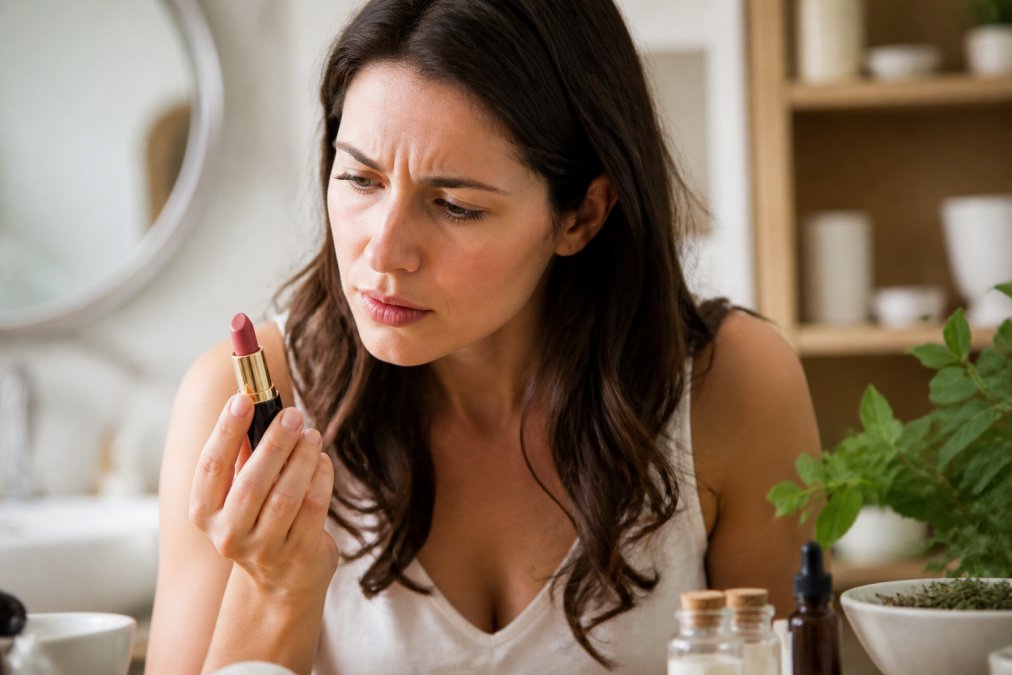
Yes, lead can still be found in lipstick. Heavy metals in lipstick research has repeatedly detected trace lead, cadmium, chromium, and aluminum in both drugstore and luxury brands, because these metals occur naturally in the mineral pigments used for color.
The FDA has tested lipsticks for lead and published the results, finding trace levels in many products. There is no federal lead limit for lipstick specifically, so "lead-free" is a marketing claim rather than a regulated standard.
Frequently Asked Questions
Does lipstick still contain lead or other heavy metals?
Yes, trace amounts of lead and other heavy metals like cadmium and chromium can still be found in some lipsticks. The FDA has tested lipsticks and found lead in many samples, though usually at very low levels. The concern is cumulative exposure over years of daily use. Choosing non-toxic skincare and makeup brands that publish their ingredient lists can reduce your risk.
What are the most common toxic ingredients to avoid in skincare and makeup?
Watch for parabens, phthalates, synthetic fragrance, formaldehyde releasers, and heavy metals like lead and mercury. These appear in some conventional products and have been linked to skin irritation, hormone disruption, and other health concerns. Reading labels helps you avoid them.
How can beginners identify safer skincare alternatives?
Start by learning the toxic ingredients in makeup to avoid, then look for brands that explain their sourcing. Patch test new products on your inner arm for 24 hours before using them on your face. When transitioning to clean beauty, replace one product at a time so you can track how your skin responds.